
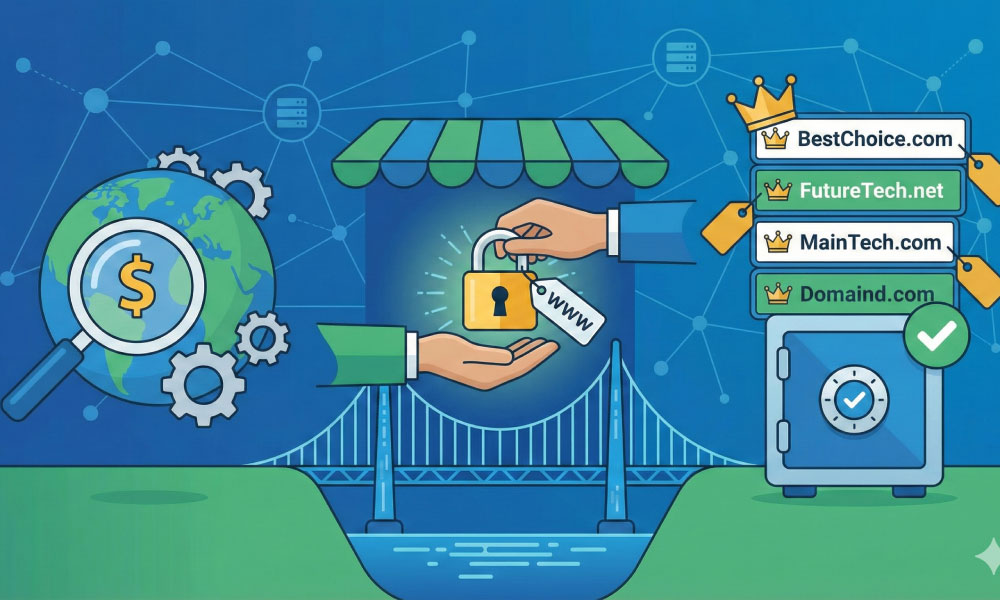
A strong domain name holds real value, it shapes how people find you, remember you, and trust your brand online. Just as real estate investors analyze location and market trends before buying property, digital investors and business owners must understand the nuances of domain name valuation.
Finding the perfect domain often means venturing into the secondary market, buying a “premium” domain that is already owned by someone else. But how do you know if a domain is worth $500 or $50,000? And more importantly, how do you transfer that money and the asset securely without getting scammed?
This guide covers the essential metrics for assessing domain value and provides a step-by-step roadmap for purchasing premium domains safely.
What Makes a Domain "Premium"?
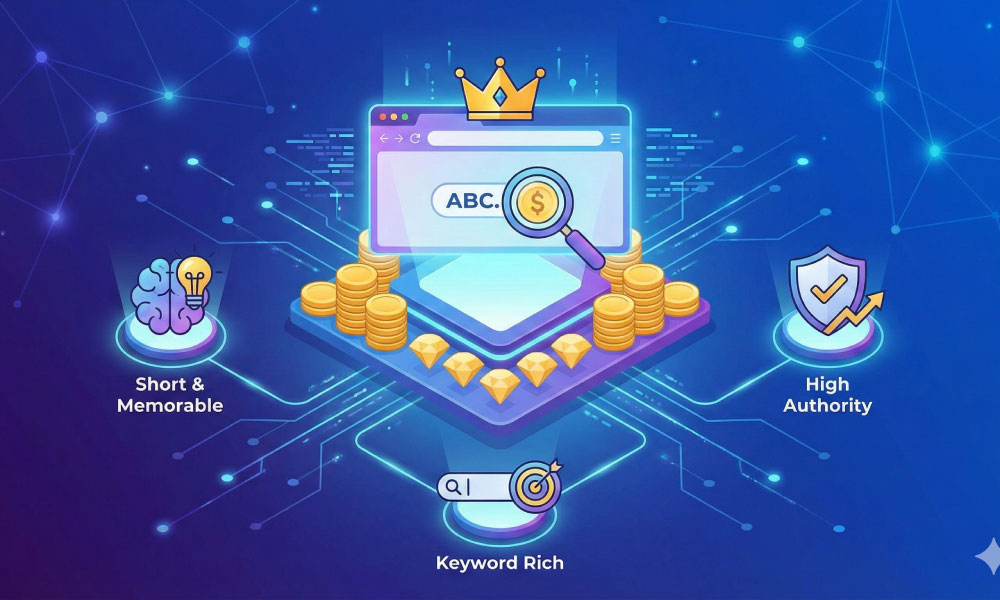
Before you can value a domain, you must understand what drives demand. A “premium” domain usually possesses high commercial value due to its ability to drive traffic, brand recognition, and search engine authority.
Key factors that influence value include:
- Length and Simplicity
In the domain world, less is almost always more. Two-letter (LL) and three-letter (LLL) .com domains are scarce assets that command six-to-seven-figure sums. Generally, anything under six characters is considered valuable because it is easy to type, easy to read, and hard to misspell.
- The”.Com” King
Despite the rise of hundreds of new Top-Level Domains (TLDs) like .io, .ai, or .shop, .com remains the gold standard. It carries the highest level of consumer trust and “type-in” traffic. A keyword domain ending in .com will almost always be valued significantly higher than the exact same keyword ending in .net or .org.
- Keyword Relevance and Search Volume
Domains that match high-volume search terms (e.g., CarInsurance.com or BestHotels.com) are incredibly valuable. These “exact match domains” come with built-in traffic potential, reducing the amount a business needs to spend on paid advertising.
- Brandability
Not all valuable domains are dictionary words. “Brandable” domains—unique, made-up words that sound appealing (like Google, Uber, or Expedia) are highly sought after by startups. Value here is subjective but is determined by pronounceability, memorability, and linguistic flow.
How to Assess Domain Value: The Appraisal Process
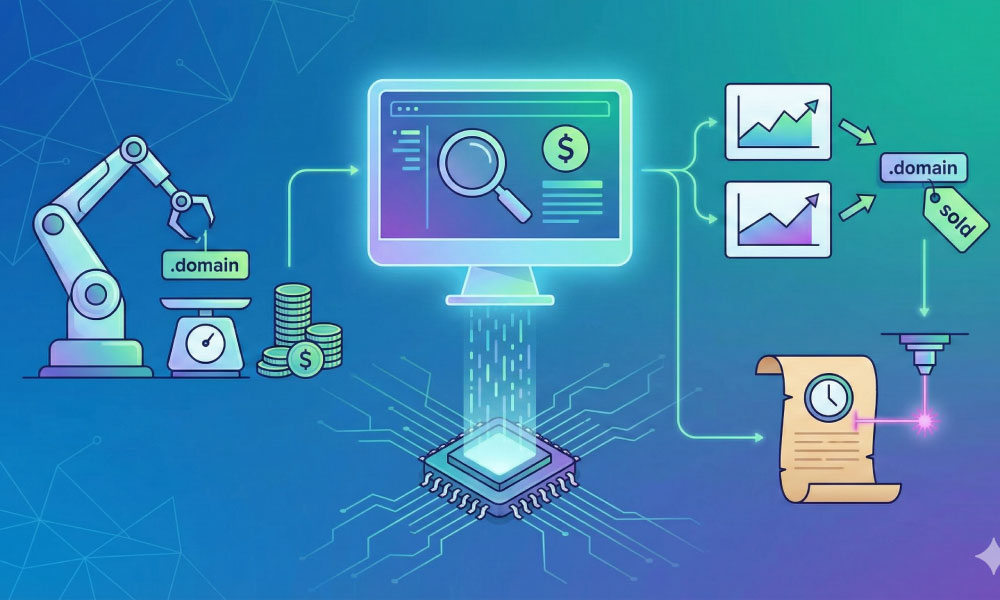
Valuing a domain is partly science (data) and partly art (market trends). Here is how to perform a professional assessment:
Step 1: Automated Appraisal Tools
Start with automated tools like GoDaddy Appraisal, EstiBot, or NameBio. These use algorithms to compare the domain against historical sales data, keyword value, and length.
- Note: Treat these numbers as a rough baseline, not a price tag. Algorithms cannot measure emotional appeal or current market hype.
Step 2: Comparable Sales (Comps)
Real estate agents use “comps” to price houses; domainers use them to price URLs. Search databases like DNJournal or NameBio for domains similar to the one you want to buy. If you are looking at BlueShoes.com, look at what RedShoes.com or BlueBoots.com sold for recently.
Step 3: Check the History
Use the Wayback Machine or domain health tools to check the domain’s history. Has it been used for spam? Was it a gambling site? A domain with a “toxic” backlink profile may be worth significantly less (or be a liability) regardless of how good the name sounds.
The Risks: Scams and Legal Pitfalls
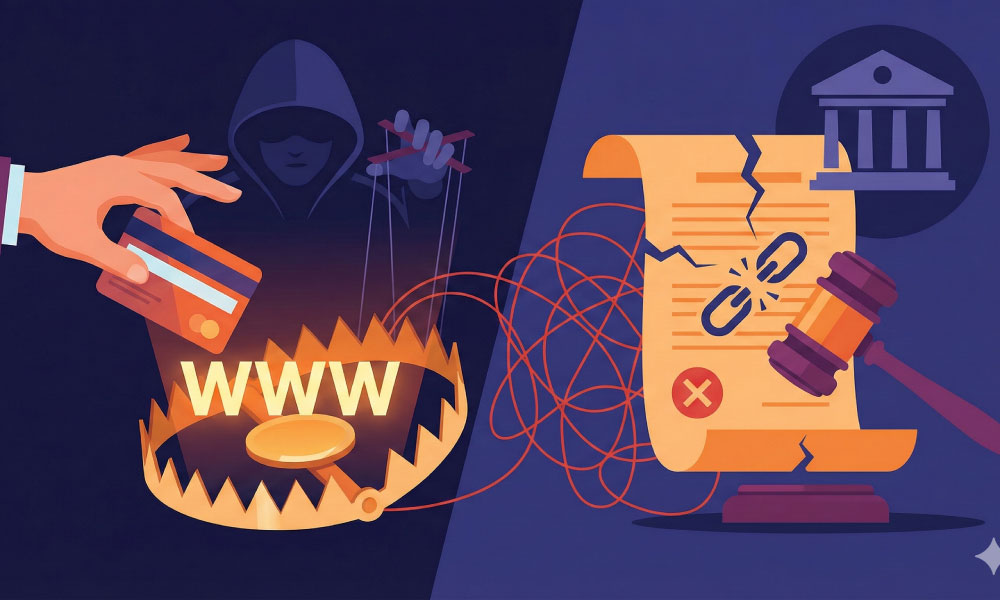
The secondary domain market is unregulated, making it a playground for bad actors. Common risks include:
- The “Rent-a-Domain” Scam: You pay for a domain, but the seller only gives you temporary access, then reclaims it.
- Stolen Merchandise: The seller might have hacked an account to sell a domain they don’t actually own.
- Trademark Infringement: Buying a domain like Faceb00k-Marketing.com is not an investment; it is a lawsuit waiting to happen. Always perform a trademark search before buying.

How to Buy a Premium Domain Safely
Once you have identified a domain and agreed on a fair price, you must ensure the transaction is secure. Never send a direct wire transfer or PayPal payment to a stranger for a high-value domain.
- Use a Trusted Escrow Service
For any transaction over a few hundred dollars, use a licensed escrow service (like Escrow.com) or a recognized domain marketplace.
- How it works: The buyer deposits funds into a neutral holding account. The seller is notified to transfer the domain. Once the buyer confirms they have full control of the domain, the escrow service releases the funds to the seller. This protects both parties.
- Hire a Domain Broker
If you are negotiating for a high-value domain (five figures or more), consider hiring a Domain Broker. Brokers can help keep your identity private (preventing price gouging), handle the negotiation to get a better price, and manage the technical transfer process.
- The “Lock” and Transfer
Once the domain is in your registrar account, immediately update the administrative contact information to your own. Enable Transfer Lock (or Registrar Lock) to prevent unauthorized transfers, and turn on Two-Factor Authentication (2FA) for your account.

Investing In Your Digital Future
Buying a premium domain is a significant investment, but it is one that pays dividends in brand authority and customer trust. By focusing on objective valuation metrics—length, keywords, and history—and adhering to strict safety protocols during the purchase, you can secure the perfect digital address without the risk.
Your domain is the first thing your customers see. Make sure it’s an asset, not a liability.