
We’re reminded to use strong passwords and never reuse them every now and then, especially during World Password Day. It sounds familiar, yet data breaches and account takeovers continue to rise. In today’s digital ecosystem, things online are more complicated than they used to be, which is why relying on traditional password rules may no longer be sufficient.
Passwords have been the default method of securing accounts due to their simple and effective nature. In the early days of the internet, the number of users was relatively small, and cyber threats were limited. With that, knowing just the password, you’re allowed to access any portals you granted access for. At that time, passwords required minimal infrastructure, was inexpensive to implement, and were highly dependent on the assumption that users would create strong ones without revealing them to anyone else.
None of these assumptions hold true anymore.
What’s Broken Today and Why Aren’t Passwords Enough Anymore
The modern threat landscape exposes the weaknesses of password-based security due to below factors:
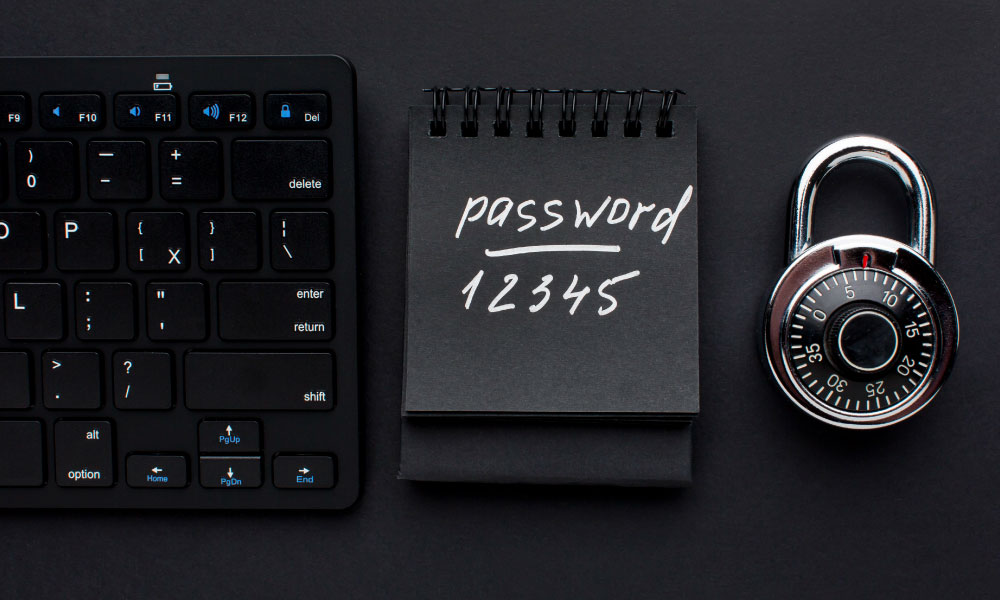
- Human Behaviour: People tend to choose passwords that are easy to remember, such as names, birthdays, or numeric patterns as simple as “123456.” Even when users create stronger passwords, they often reuse them across multiple sites. This means that if one account is compromised, others quickly follow.
- The Acceleration of Attacks Scale: Hackers now use automated tools that can attempt millions of password combinations in seconds. Credential stuffing, where attackers use leaked username-password pairs from one breach to access other services, is alarmingly effective.
- Data Breaches: Creating a strong, unique password can still put you at the risk of having it exposed if the service storing it is compromised. Major companies have suffered breaches, leaking millions (even billions) of credentials into the wild.
- Phishing and social engineering: Instead of cracking your password, attackers trick you into handing it over. A convincing email or fake login page is often all it takes.
Comprehensively, the problem isn’t just weak passwords. It’s that passwords alone are fundamentally vulnerable. Relying on a password as the sole line of defense is like locking your front door but leaving your windows open. Once that single layer is breached, there’s nothing left to stop an attacker.
Modern security requires multiple layers of verification. Instead of relying only on “something you know” (a password), systems increasingly use additional factors—such as “something you have” (a phone or device) or “something you are” (biometric data). This layered approach significantly reduces the risk of unauthorized access, even if one factor is compromised.
Modern Alternatives and Enhancements
To address these challenges, several solutions have emerged that strengthen, or even replace, traditional passwords.
- Multi-Factor Authentication (MFA) is one of the most effective improvements. It requires users to provide an additional form of verification, such as a one-time code sent to a phone or generated by an app. Even if an attacker obtains your password, they still can’t access your account without the second factor.
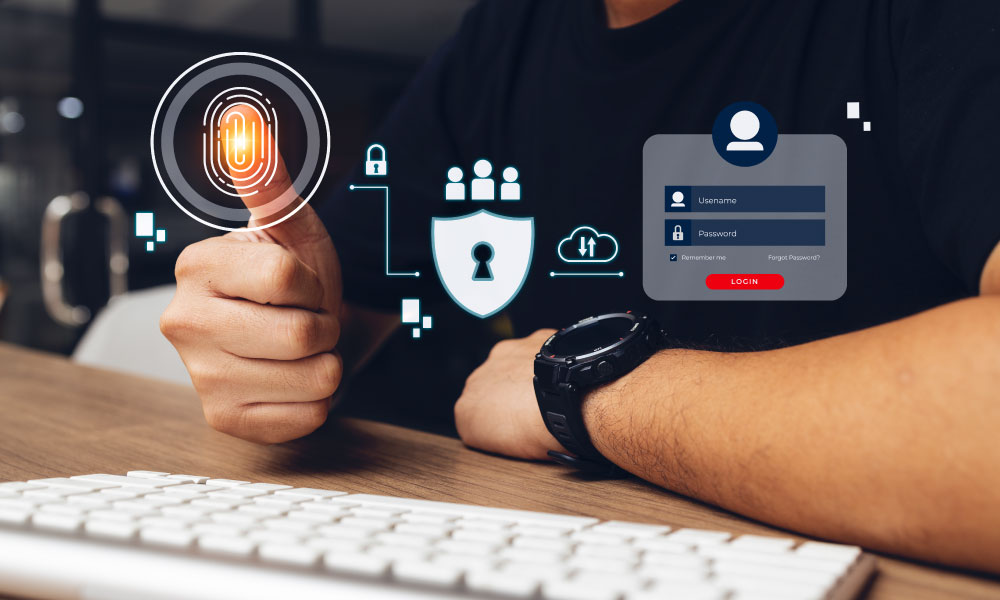
- Biometric authentication, such as fingerprint or facial recognition, offers convenience and speed. It removes the need to remember complex passwords, although it’s not without limitations. Biometric data can’t be changed if compromised, and it still needs to be used as part of a broader security system.
- Password managers help solve the problem of weak and reused passwords. They generate strong, unique passwords for every account and store them securely. This allows users to maintain better security without the burden of memorizing dozens of credentials.
- Passkeys also play important roles in passwordless authentication initiatives. Instead of typing a password, users authenticate using a secure device, often combined with biometrics. Passkeys are resistant to phishing and eliminate many of the risks associated with traditional passwords. Major technology companies are already adopting this approach, signaling a move toward a more secure and user-friendly future.
What You Should Do Today
While the future of authentication is evolving, there are practical steps you can take right now to improve your security.
- Use a password manager to create and store strong, unique passwords for every account.
- Enable multi-factor authentication wherever it’s available.
- Avoid reusing passwords, no matter how convenient it may seem.
- Be cautious of phishing attempts by verifying links and emails before entering your credentials.
- Be wary of messages that create urgency or fear.
- Keep your devices and software updated to protect against known vulnerabilities.
Final Thoughts
World Password Day is a useful reminder for every responsible online user to update your passwords. They are not obsolete, but also no longer sufficient on their own. As cyber threats grow more sophisticated, relying on a single layer of protection will still put anyone at risk.
The good news is that stronger, more secure alternatives are already within reach. By adopting better practices and embracing new technologies, you can stay ahead of the risks. The future of security isn’t just about better passwords; it’s about moving beyond them.