Your brand protection platform has just detected dozens of phishing websites, fake social media accounts, and counterfeit mobile apps impersonating your business. For many organizations, identifying threats is only the beginning. The real challenge lies in determining which threats are genuine, prioritizing them, and removing them before customers become victims. An alert alone doesn’t protect your brand. What matters is what happens next. Detection...
The Hidden Financial Cost of Brand Impersonation
The Hidden Business Cost of Brand Impersonation: Why Digital Brand Protection Matters When cybercriminals impersonate a trusted brand, the damage extends far beyond the immediate victims. While phishing scams, fake websites, and fraudulent social media accounts often make headlines because of financial losses, businesses face another consequence that is much harder to measure: the erosion...
What Singapore, Australia, and the US Can Teach Us About Digital Brand Protection
Every year, billions of dollars are lost to online scams, phishing attacks, impersonation campaigns, and digital fraud. While the financial losses grab headlines, there is another growing concern that affects businesses, brands, registries, and domain owners worldwide: digital brand abuse. Behind many scams are fraudulent websites, fake social media accounts, spoofed domains, phishing infrastructure, and impersonation campaigns designed to...
200-Day SSL Certificates: What This Means for Website Security
SSL certificates are an essential part of every secure website. They help encrypt the connection between a website and its visitors, protecting sensitive information such as login details, payment data, and personal records. For users, SSL is often recognized through the padlock icon in the browser address bar. For businesses, it is a key...
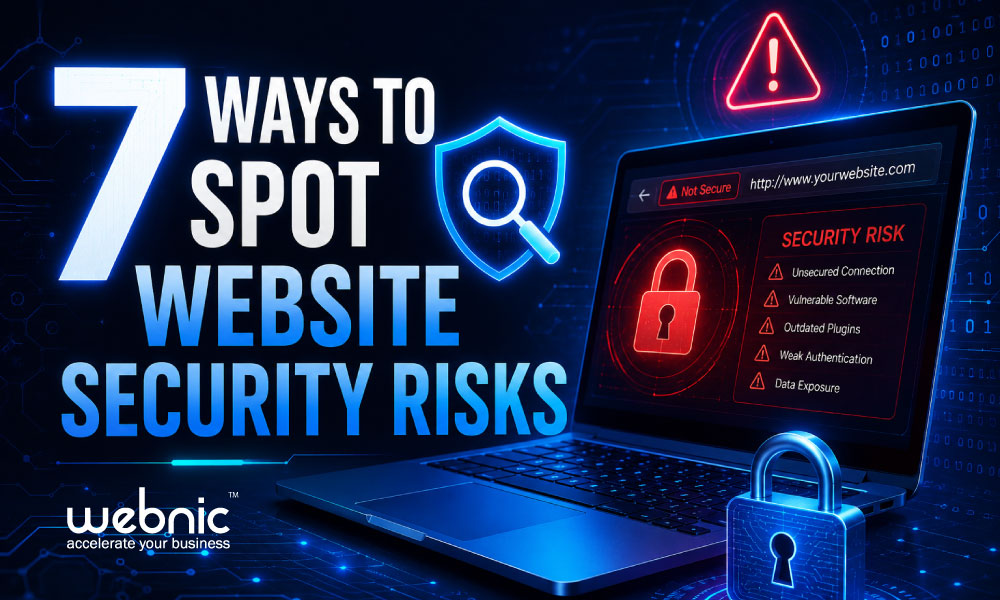
Brand Protection: 7 Ways to Spot Website Security Risks
Your website is often the first-place customers to interact with your brand. But if it is not properly secured, it can quickly become a target for cyberattacks, data theft, phishing abuse, and brand impersonation. A compromised website does not just affect your system; it can damage customer trust, search rankings, and your company’s reputation. Here are the top...
Protect Your Brand Online: Lessons from Real Domain Hijacking Incidents
In today’s digital economy, a domain name is more than just a website address- it is a company’s identity, reputation, and customer trust rolled into one. Unfortunately, cybercriminals know this too, which makes domain hijacking an increasingly common threat, affecting businesses of all sizes worldwide. From global corporations to small businesses, no brand is completely immune. With...
Beyond Passwords: Rethinking Security This World Password Day
We’re reminded to use strong passwords and never reuse them every now and then, especially during World Password Day. It sounds familiar, yet data breaches and account takeovers continue to rise. In today’s digital ecosystem, things online are more complicated than they used to be, which is why relying on traditional password rules may no longer be sufficient. Passwords have been the default...
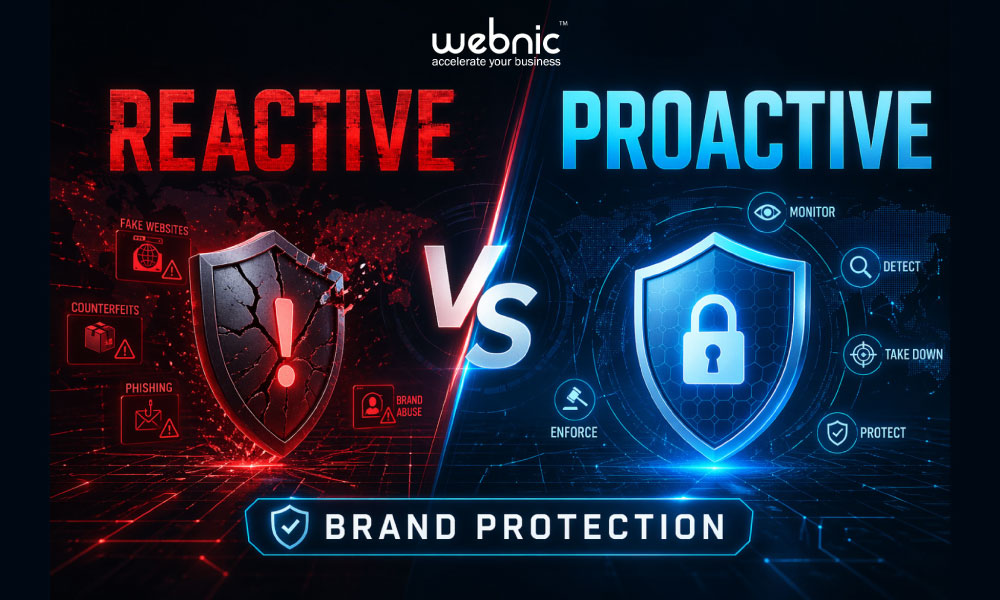
Reactive VS Proactive Brand Protection: A Strategic Cost Analysis
In today’s digital-first economy, your brand is no longer confined to storefront or other official channels. It exists everywhere- on social media, marketplaces, search engines, and even in places you don’t control. While this expansion creates opportunity, it also opens the door to misuse, impersonation, and fraud. Many businesses still take a reactive approach to brand protection- addressing issues only after...
Domain Fraud Prevention Tips Every Business Should Know
Domain-based fraud has become an increasingly common threat in today’s digital landscape, where businesses rely heavily on their online presence to engage customers and build trust. From phishing websites that mimic legitimate login pages to cleverly misspelled domain names designed to deceive users, attackers are finding new ways to exploit domain systems for financial...
Why Brand Trust Is Now A Security Layer
Brand trust used to be something companies built through marketing, customer experience, and consistent delivery. Today, it has taken on a far more critical role: it is now a frontline security concern. Cybercriminals are no longer just trying to break into systems, but they are impersonating brands themselves. Through phishing emails, spoofed domains, and...