Cybersquatting is no longer just a trademark issue handled by legal teams. Today, it is increasingly linked to fraud, impersonation, and phishing campaigns that directly impact customers, employees, and business operations. When attackers register domain names that resemble legitimate brands, the goal is often not immediate profit from resale, but to prepare infrastructure for...

The 2026 Transition: Why X9 Certificates Matter for Secure Authentication
With the rapid expansion of digital infrastructure, cybercriminals are increasingly exploiting the online space by creating fake websites, impersonating legitimate brands, and launching sophisticated phishing attacks that trick users into revealing sensitive information. As result, establishing strong digital trust and identity verification has become just as important as securing the data transmitted online. In response to this growing...
How Do Shorter SSL Certificates Strengthen Brand Trust
A brand’s online presence is built on more than visuals, content, and marketing. Long before a customer makes a purchase or sends an inquiry, they are already deciding whether your business feels trustworthy. SSL, or also known as Secure Sockets Layer, helps shape that decision by securing communication, supporting HTTPS, and signaling that your website is properly maintained. As online users become...
Don’t Let AI Leak Your Data: A Guide to Safeguard Them
Imagine browsing through a competitor’s website and suddenly noticing a service package that looks almost identical to one your organization developed internally. The structure, features, and even the pricing model seem oddly familiar. These were details meant to remain confidential, known only within your team. So how did they end up in the open? The surprising truth...
Upcoming SSL/TLS Validation Changes for DigiCert, Sectigo & Global Major CAs
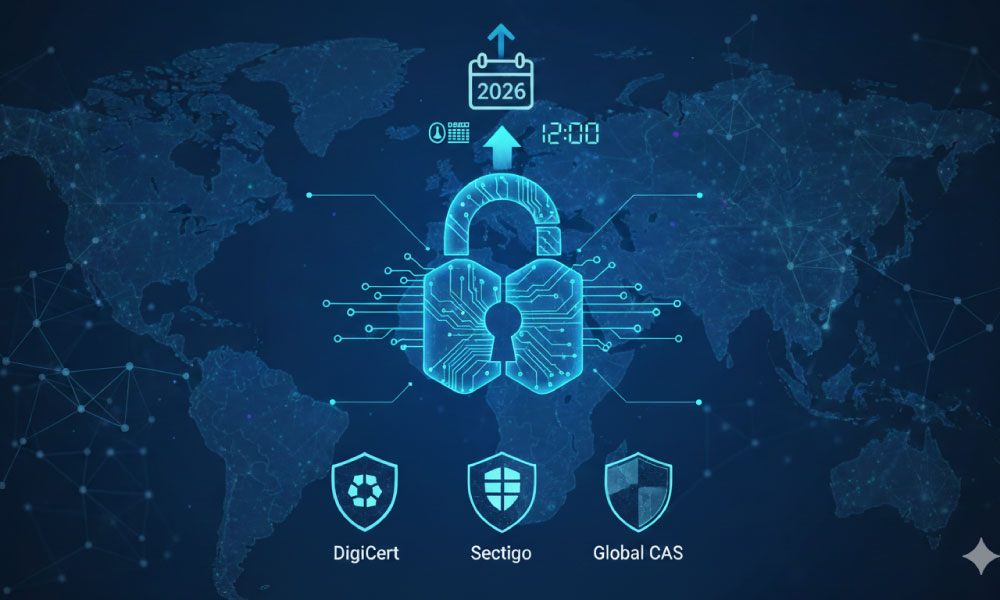
The CA/Browser Forum (a consortium of browser makers and Certificate Authorities including DigiCert, Sectigo, Google, Apple, Mozilla, and others) has approved a phased reduction of SSL/TLS certificate lifespans and domain validation reuse periods. These changes are being adopted by all major public CAs to improve internet security and accelerate certificate lifecycle management automation. Here’s the exact implementation timeline : CA Exact...
Why SMEs Should Prioritize Digital Identity Management (Not Just Website Security)
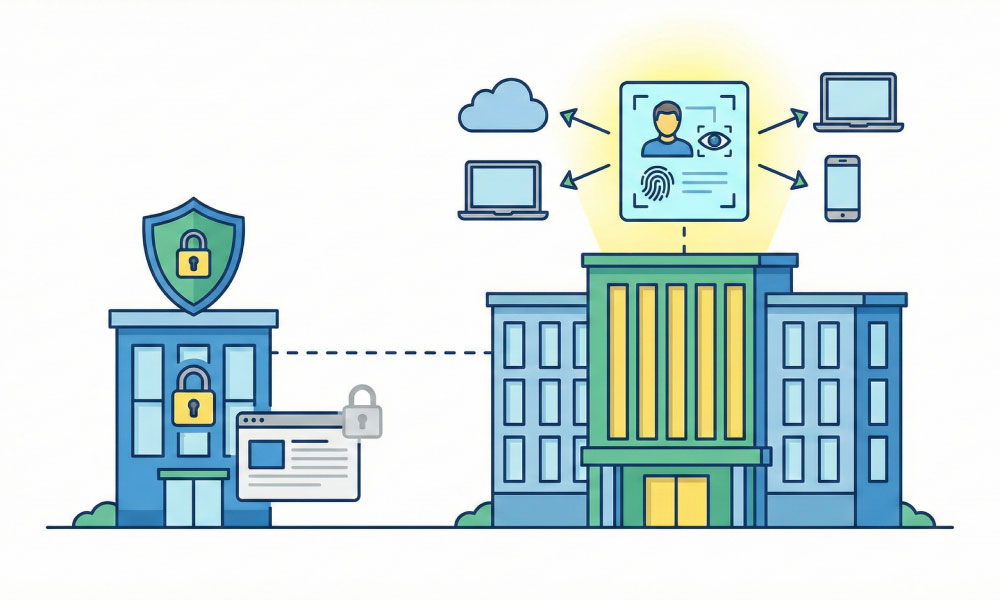
For years, the cybersecurity checklist for Small and Medium-sized Enterprises (SMEs) has been relatively straightforward: install a firewall, buy an antivirus, and ensure your website has that little green padlock (SSL/TLS certificate). If you checked those boxes, you were considered “safe.” However, as we move through 2025 and into 2026, that narrative has dangerously expired. While...
Beyond SSL: How Digital Certificates Are Evolving in the Post-Quantum Era
In the vast and ever-expanding landscape of the internet, trust is the invisible currency that facilitates all transactions, communications, and data exchanges. For decades, the backbone of this trust has been the digital certificate, best known for enabling Secure Sockets Layer (SSL) and its successor, Transport Layer Security (TLS). These protocols, underpinned by robust cryptographic algorithms like RSA and ECC, have shielded...
The API Economy for Domain & Web Security Resellers: Maximizing Integration and Automation
The digital infrastructure business encompassing domain names, web hosting, and security products like SSL/TLS certificates, is fundamentally built on volume and speed. For resellers in this competitive landscape, relying on manual processes or slow web portals is no longer just inefficient; it is a direct threat to profitability and scalability. The key to unlocking massive growth,...
DigiCert Announces Public TLS Certificate Moving to 199-Day Validity
DigiCert has officially announced an update to public TLS/SSL certificate issuance rules, confirming that the maximum validity period for public TLS certificates will be reduced to 199 days, effective 24 February 2026. This update applies to all public TLS certificates, including DV, OV, and EV. While the change introduces operational considerations, it also highlights the growing importance...
Cross-Border Reseller Strategies: Localizing Domain & SSL Sales in Emerging Markets
As the global digital economy accelerates, domain and SSL resellers are no longer limited to selling within a single country. Businesses today operate across borders, and organizations in emerging markets are rapidly moving online. This shift creates a major opportunity for resellers to expand revenue and build global presence through tailored, localized strategies. However,...