

Cybersquatting is no longer just a trademark issue handled by legal teams. Today, it is increasingly linked to fraud, impersonation, and phishing campaigns that directly impact customers, employees, and business operations. When attackers register domain names that resemble legitimate brands, the goal is often not immediate profit from resale, but to prepare infrastructure for scams. These domains may sit inactive for weeks or months before being used for phishing emails, fake recruitment offers, payment fraud, or impersonation of company staff.
A recent case involving L’Oréal illustrates how quickly this risk can scale. The cosmetics company won a major cybersquatting dispute covering 705 domain names, many of which combined its trademark with job-related terms such as “application,” “career,” and “hiring.” Although the domains did not resolve live sites, the pattern strongly suggested they were intended for employment scams. The case also stood out for its scale, involving 52 named registrants and raising concerns about a coordinated effort to abuse the brand.
For organizations, this case highlights a critical reality:
By the time a scam becomes visible, the infrastructure behind it has usually been in place for some time.
That is why early detection is not just a response; it is now a core part of modern brand protection.
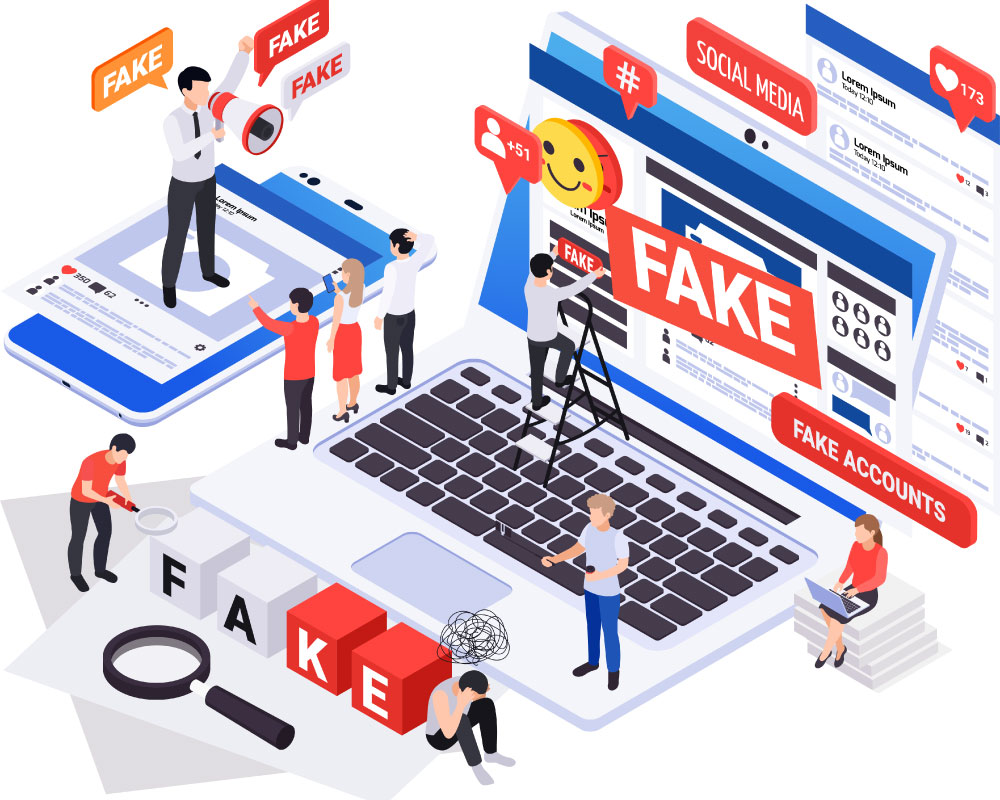
What Is Cybersquatting and Why Does It Matter to Businesses?
Cybersquatting refers to the registration or use of domain names that are identical or confusingly similar to a brand, trademark, or business name without authorization. In the past, cybersquatting was primarily about domain resale. Today, it is commonly used as an entry point for cybercrime and brand abuse.
Typical real-world scenarios include:
- Fake job recruitment using lookalike domains
- Phishing emails impersonating company departments
- Fraudulent invoices sent to customers or partners
- Fake login portals designed to steal credentials
- Brand impersonation on websites or email systems
These incidents do not only affect marketing or legal teams, but they also often involve IT, security, HR, finance, and customer support. The Business Impact of Cybersquatting and domain abuse can create operational and financial risks that extend far beyond trademark disputes.
- Brand dilution: Confusing or misleading domains weaken the distinctiveness of a company’s brand online.
- Customer and Applicant Fraud: Fake domains are frequently used to impersonate companies and request payments or personal information. Victims often associate the incident with the legitimate brand, even if the company was not directly responsible.
- Phishing and Cybersecurity Threats: Lookalike domains can be used to send phishing emails, bypass security controls, or support broader cyberattacks.
- Reputational Damage: Even a small scam linked to a brand name can undermine trust and create negative publicity.
- Legal and Recovery Costs: Dispute resolution, enforcement actions, and brand recovery efforts can be expensive and time-consuming, especially when large numbers of domains are involved.
- Hidden Early-Stage Threats: A domain does not need to host a live website to be dangerous. Many attacks begin with silent domain registrations that are activated later.
Case Study: What the L’Oréal Incident Shows About Modern Brand Abuse
The cybersquatting dispute involving L’Oréal is notable not only for its size, but for what it reveals how attackers operate. The company filed a complaint through the World Intellectual Property Organization (WIPO) under the Uniform Domain Name Dispute Resolution Policy (UDRP), targeting 705 domain names that used its brand in combination with employment-related keywords. Several factors made the case significant:
- Hundreds of domains registered within a short period
- Similar naming patterns across domains
- Multiple registrants linked to shared contact details
- No immediate website activity
- Indicators of coordinated behavior
From a risk management perspective, this pattern strongly suggests preparation for fraud rather than accidental registration. The case demonstrates an important operational lesson– cybersquatting can be broad, organised, and tied to specific scam themes such as recruitment.
Practical Lessons for Organizations
The incident involving L’Oréal provides several practical takeaways for businesses managing digital risk:
1) Domain registration activity is an early warning signal- Suspicious registrations often appear before phishing campaigns or scams begin.
2) Brand abuse can escalate quickly- A single incident may involve dozens or hundreds of domains.
3) Legal action is necessary but not sufficient- Dispute resolution is important, but it typically happens after risk has already emerged.
4) Continuous monitoring is now a business requirement- Manual checks or periodic reviews are no longer enough in a fast-moving threat environment.
Digital Brand Protection: A Practical Business Control
Digital Brand Protection is not just a legal safeguard; it is an operational risk management function.
For many organizations, domains are critical infrastructure. They support websites, email communication, customer transactions, and brand identity. When that infrastructure is abused, the impact can be immediate and visible.
A structured Digital Brand Protection strategy helps organizations:
- Detect suspicious domain registrations early
- Maintain visibility across their domain portfolio
- Respond quickly to emerging threats
- Reduce exposure to fraud and impersonation
- Protect customer trust

How WebNIC Digital Brand Protection Supports Real-World Risk Management
At WebNIC, Digital Brand Protection focuses on practical outcomes, reducing risk, improving visibility, and enabling faster response.
Continuous Domain Monitoring
The platform monitors domain registrations across global extensions to identify patterns such as:
- Lookalike or typo domains
- Unauthorized brand usage
- Suspicious keyword combinations
- High-volume registrations
This helps organizations detect potential threats before they reach customers or employees.
Centralized Domain Management
Many companies manage domains across multiple registrars, business units, or regions. This fragmentation increases the risk of oversight gaps, missed renewals, and inconsistent security controls.
Centralized management provides:
- Clear visibility of all domain assets
- Consistent governance and access control
- Reduced administrative complexity
- Stronger operational resilience
Faster Response and Enforcement
When abuse is detected, speed matters.
Digital Brand Protection supports response actions such as:
- Abuse reporting
- Domain takedown coordination
- Dispute resolution support
- Risk escalation workflows
Faster response helps limit damage and maintain customer confidence.
Preventive Domain Strategy
One of the most effective ways to reduce risk is to prevent misuse before it happens.
This may include registering:
- Common misspellings of brand names
- Region-specific domain extensions
- Product or service-related keywords
- Defensive domains that could be used negatively.
Preventive registration is often significantly less costly than legal recovery after an incident.
The Bottom Line: Brand Protection Is Now Part of Cybersecurity
The case involving L’Oréal shows that even well-known global brands are targeted by coordinated domain abuse campaigns. But it also demonstrates something equally important:
Early detection and proactive protection can stop threats before they escalate.
In today’s environment, protecting a brand is no longer just about trademarks or marketing- it is about managing digital risk. Organizations that monitor their domain landscape continuously are better prepared to:
- Prevent fraud
- Protect customers
- Maintain trust
- Reduce operational disruption
And in a digital economy, trust is one of the most valuable assets a business can protect.