
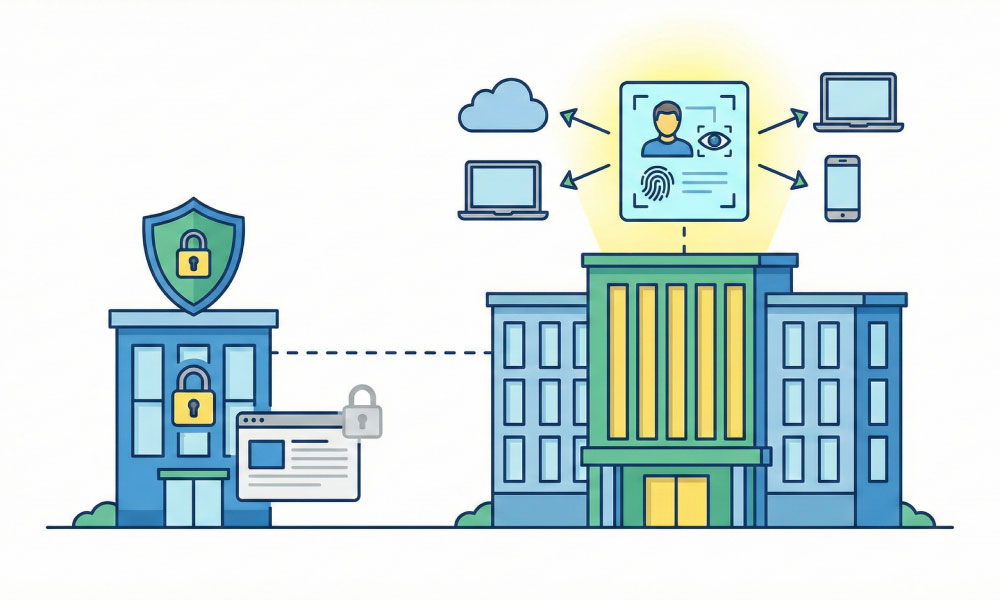
For years, the cybersecurity checklist for Small and Medium-sized Enterprises (SMEs) has been relatively straightforward: install a firewall, buy an antivirus, and ensure your website has that little green padlock (SSL/TLS certificate). If you checked those boxes, you were considered “safe.”
However, as we move through 2025 and into 2026, that narrative has dangerously expired.
While website security remains essential for protecting data in transit and building customer trust, it is no longer the frontline of defense. The modern cybercriminal isn’t trying to “hack” your firewall; they are trying to log in as you. This shift in threat landscape means that Digital Identity Management (DIM) – protecting who has access to what, must now be the top priority for SMEs.
Here is why your business needs to shift its focus from just locking the building to guarding the keys.
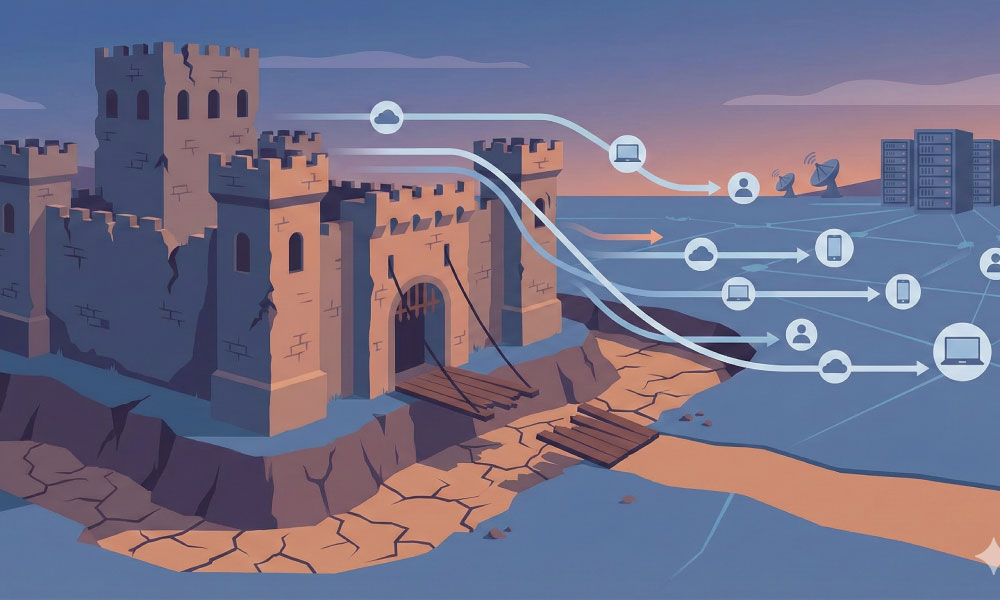
The "Castle and Moat" Strategy is Dead
Traditionally, cybersecurity relied on the “castle and moat” concept. Your office network was the castle, and the firewall was the moat. Everything inside the castle was trusted; everything outside was not.
Today, that castle doesn’t exist.
With the rise of hybrid work, cloud computing, and SaaS applications (like Slack, Salesforce, and Google Workspace), your data no longer sits in one server room. It lives on laptops in coffee shops, on mobile phones, and in data centers halfway across the world.
If you focus only on website or network security, you are protecting a perimeter that no longer exists. Identity is the new perimeter. If a hacker steals an employee’s credentials, they can bypass your firewall entirely. It doesn’t matter how secure your website encryption is if the person logging into the admin panel is a cybercriminal using a stolen password.
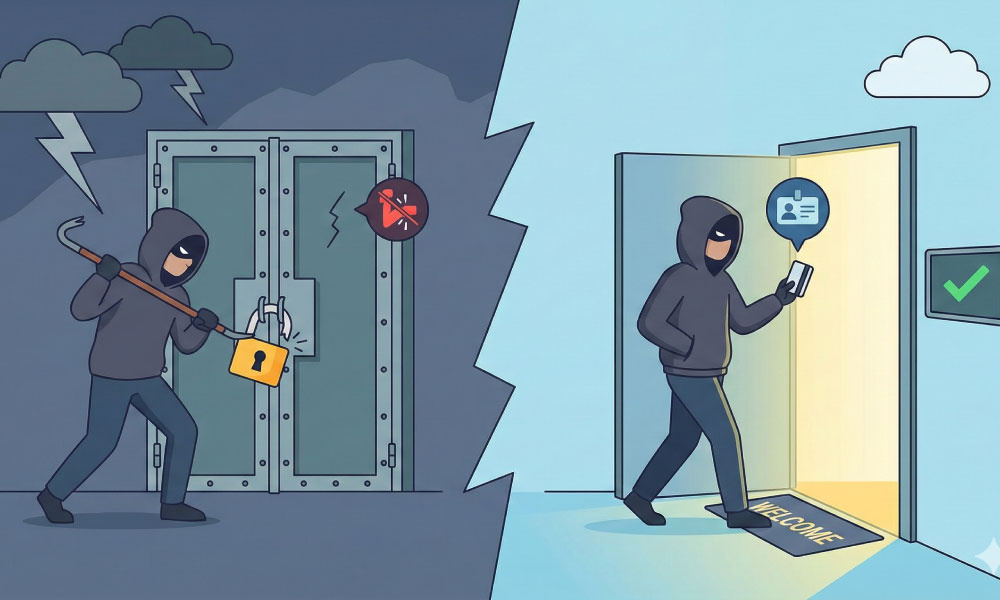
Hackers Don’t Break In; They Log In
Statistics paint a grim picture for SMEs who ignore identity security. According to recent cybersecurity reports, over 80% of data breaches involve compromised credentials – weak, stolen, or reused passwords.
Consider the difference between website security and identity management:
- Website Security (SSL, WAF): Protects the data moving between a user and your site. It stops a hacker from intercepting a credit card number during a transaction.
- Digital Identity Management (IAM, MFA, SSO): Verifies that the user is actually who they say they are. It stops a hacker from using a valid password to download your entire customer database.
For a SME, the latter is often the more devastating risk. A website outage is bad for business; a data breach caused by a compromised admin account can be a business-ending event.
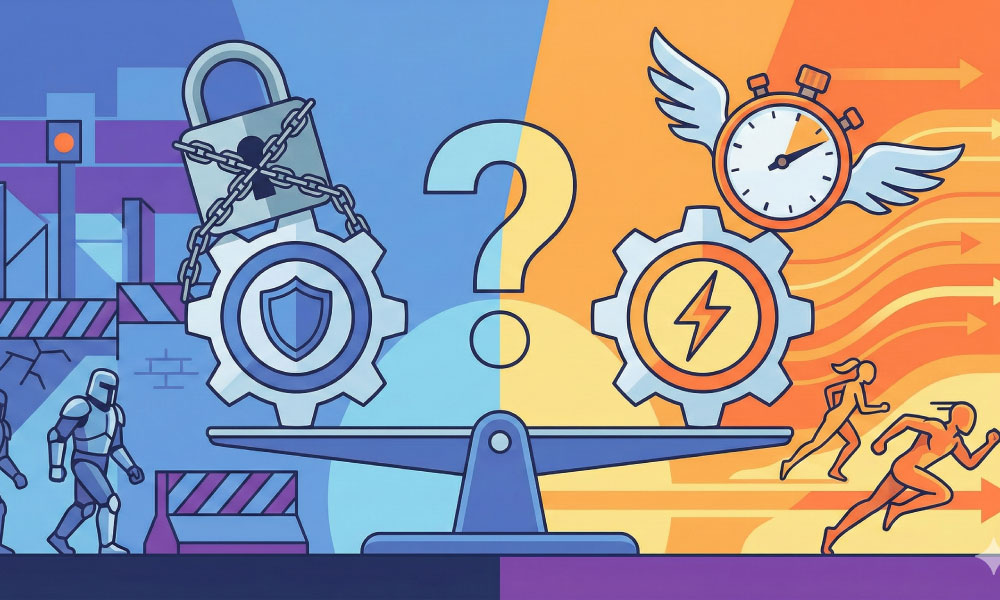
The Efficiency Paradox: Security vs. Productivity
One of the biggest myths among SMEs is that implementing Digital Identity Management, specifically tools like Single Sign-On (SSO) or Multi-Factor Authentication (MFA), will slow down employees.
In reality, the opposite is true. Poor identity management kills productivity.
Without a proper DIM strategy, employees are forced to remember dozens of different passwords for different apps. This leads to “password fatigue,” causing staff to reuse the same password (e.g., “Company2025!”) across all accounts. When one account is breached, they all are.
Modern Identity Management solutions streamline this. With Single Sign-On (SSO), an employee logs in once and gains secure access to all their necessary tools. It reduces friction for the user while giving the IT administrator a single “kill switch” to revoke access if an employee leaves the company or a device is stolen.
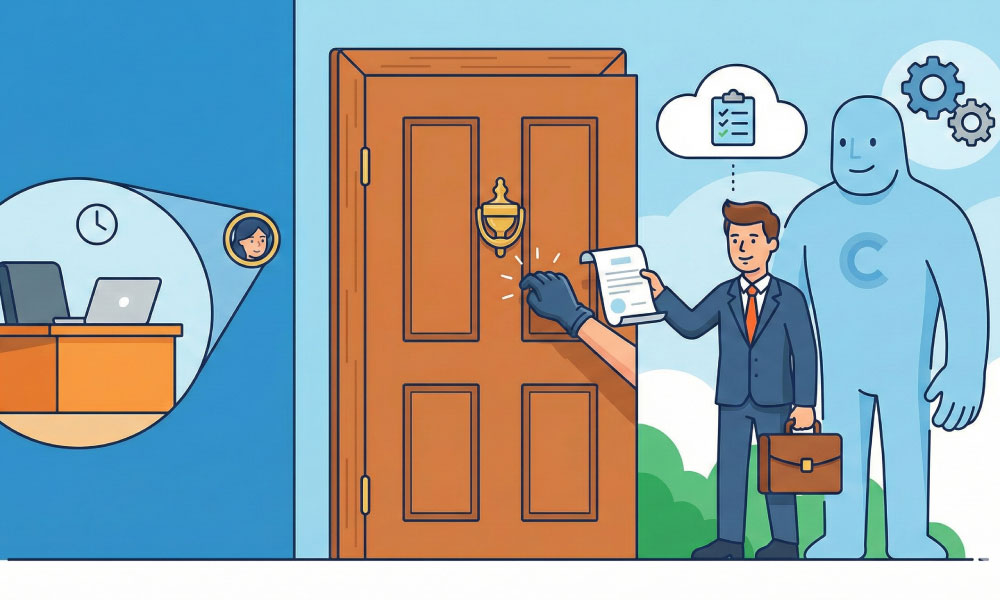
Compliance is Knocking at the Door
Regulatory bodies are catching up to the reality of identity threats. Frameworks like GDPR in Europe, various local data protection acts in Southeast Asia, and cyber insurance requirements are increasingly demanding more than just “basic” security.
Insurers and regulators now look for Zero Trust principles. Zero Trust assumes that no user or device should be trusted by default, even if they are inside the network. It requires continuous verification.
If your SME applies for cyber insurance or tries to land a contract with a large enterprise client, you will likely be asked: “Do you use Multi-Factor Authentication (MFA) for all remote access?” If the answer is no, you may be denied coverage or lose the contract. Website security alone will not satisfy these requirements.
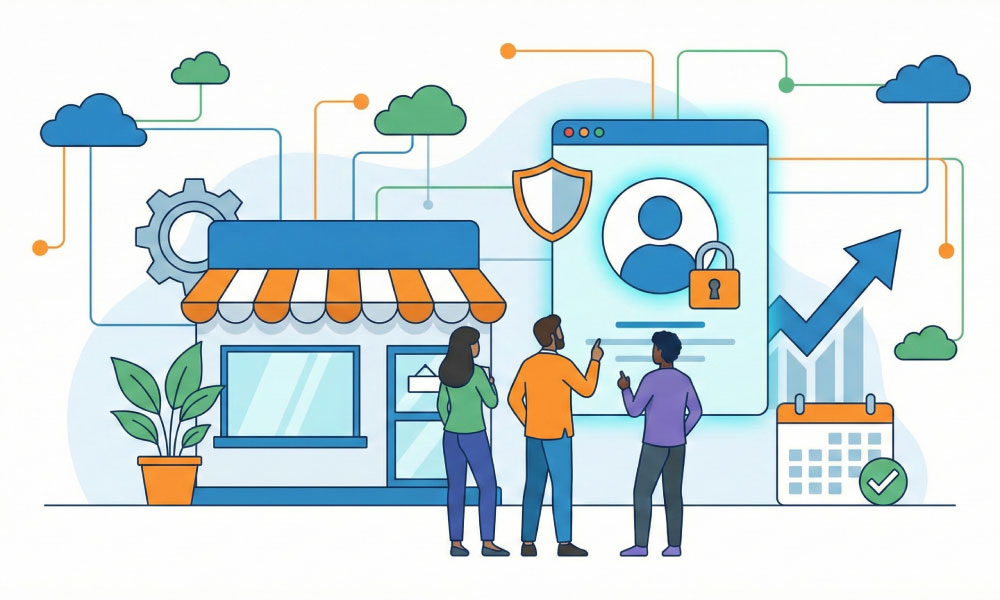
How SMEs Can Start Prioritizing Identity Today
Moving from basic website security to a robust Digital Identity strategy doesn’t require an enterprise budget. Here are three actionable steps:
- Enforce MFA Everywhere
Multi-Factor Authentication (MFA) blocks 99.9% of automated account attacks. Ensure it is enabled for email, cloud storage, and your website’s CMS (like WordPress).
- Implement the Principle of Least Privilege
Do not give every employee “Admin” access. A marketing intern does not need access to the financial database. Limit access rights to only what is necessary for the role. This limits the damage if that specific identity is compromised.
- Kill the Spreadsheet
If your employees are sharing passwords via Excel spreadsheets or sticky notes, stop immediately. Invest in an enterprise Password Manager or an Identity Access Management (IAM) solution that allows for secure credential sharing without revealing the actual passwords.

A Shift in Mindset
Prioritizing Digital Identity Management is not about abandoning website security, you still need SSL certificates and firewalls. It is about recognizing that the lock is only as strong as the person holding the key.
For SMEs in 2026, the greatest asset you have is your data, and the greatest threat you face is unauthorized access to it. By shifting your focus to securing identities, you are not just checking a compliance box; you are building a resilient business capable of surviving in a world where the perimeter is gone.