
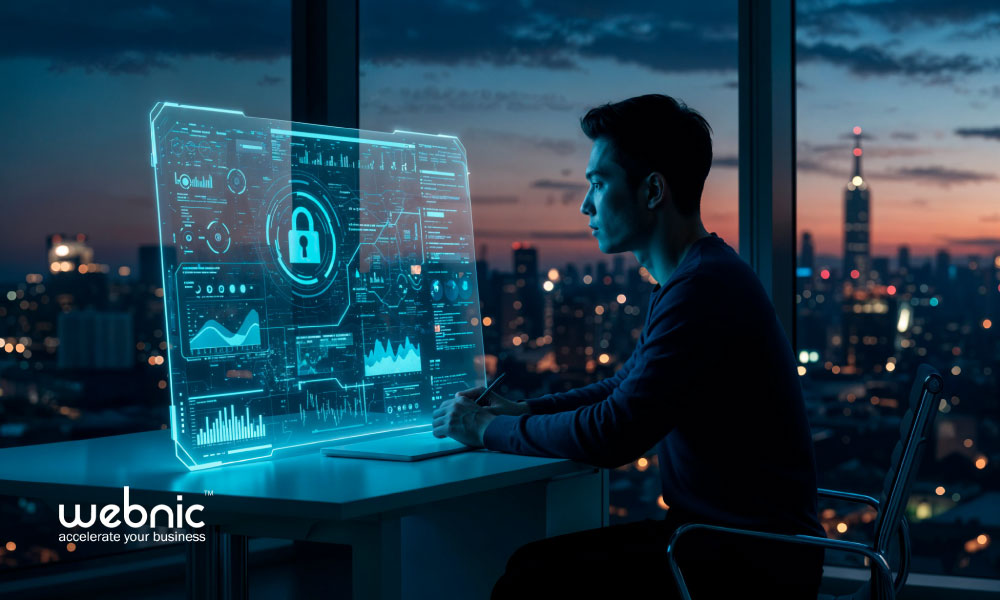
Let’s picture this together: Imagine living your dream- answering emails from a beach café in Phuket, joining a meeting from a co-working space in Kuala Lumpur, or finishing up work with a Bali sunset in the background. The freedom, flexibility, and new scenery every day are some magical experiences one can enjoy as a digital nomad. While your workspace keeps shifting, your digital footprint stays exposed, which indicates that not every network or device you connect to is as safe as it seems.
From unsecured public WiFi to phishing scams targeting remote workers, digital nomads often face higher risks simply because of how and where they work. This, however, doesn’t mean that they must curtail their freedom of working remotely. The good news is that with the right awareness and a few smart habits, any digital nomads can enjoy the adventure of working anywhere while keeping their data, identity, and business protected. With that, this article unearths ways to keep your data secure when working remotely.

Why Are Digital Nomads The Prime Target
The rise of remote work has transformed how people build their careers, giving birth to a new generation of digital nomads who value flexibility, mobility, and global experiences over traditional office life. From freelancers and entrepreneurs to remote employees, more professionals are choosing to work across cities and countries- often relying on cafés, co-working spaces, and short-term accommodations as their “office.” This shift reflects a broader trend in today’s career landscape, where work is no longer tied to a fixed location but enabled by constant connectivity.
Nevertheless, this very lifestyle makes digital nomads prime targets for cyber threats. Frequent use of public WiFi, logging into sensitive accounts across different networks, and working on the go without secure infrastructure all increase exposure to attacks. Devices are more likely to be lost or stolen, while distractions in new environments can make it easier to fall for phishing scams or overlook security best practices. In short, the freedom of working anywhere often comes with hidden vulnerabilities that cybercriminals are quick to exploit.
Common Security Threats
While the digital nomad lifestyle offers unmatched freedom, it also opens the door to a range of cybersecurity threats that often go unnoticed. Working across different locations, networks, and devices means your data is constantly transit, making it easier for attackers to intercept, exploit, or gain unauthorized access. Many of these threats are not highly technical but rely on simple vulnerabilities like unsecured connections or human error, which is why awareness is the first line of defense.
The common security threats include:
- Public Wi-Fi Attacks– Hackers intercept data on unsecured networks (such as cafés and airports).
- Fake Wi-Fi Hotspots– Malicious networks disguised as legitimate ones.
- Phishing Scams– Emails or messages tricking you into revealing sensitive information.
- Weak or Reused Passwords– Making accounts easier to breach.
- Device Theft or Loss– Physical access to your laptop or phone.
- Malware and Unsafe Downloads– Infected files or apps compromising your system.
- Unsecured Websites (Without HTTPS)– Data transmitted without encryption.
- Accounts Takeaway– Unauthorized access to email, banking, or cloud services.
Security Habits for Safe Remote Work Anywhere
- Use strong and unique passwords for every account– avoid using the same password for all accounts and consider using a trusted password manager to store and passwords.
- Enable Multi-factor Authentication (MFA)– add extra layer of protection on accounts apart from passwords such as emails, social media, online banking, and domain management platforms.
- Use VPNs when connecting to public Wi-Fi– VPNs help create a secure, encrypted connection when using networks in public spaces.
- Keep the apps and devices updated– Install operating system updates regularly on devices including the software within as well.
- Encrypt devices– Turn on full disk encryption for laptop and mobile devices with screen locks, fingerprint access, or facial recognition for added security.
- Secure cloud accounts– Protect platforms such as Google Drive, Dropbox, OneDrive, and other file-sharing tools and be cautious when sharing files or folders.
Protecting Your Digital Identity on The Move
For digital nomads, your online presence is your business, and that starts with a secure, well-managed domain. One of the biggest risks for digital nomads is hijack protection, where attackers gain control of your domain and disrupt your website or communications. This can lead to lost business, damaged credibility, and even data breaches. Securing your website with SSL certificates is a crucial step in preventing such risks. SSL/ TLS certificates encrypt the data exchanged between your site and its visitors, ensuring sensitive information stays protected while also building trust with clients who expect a secure browsing experience.
Beyond technical security, protecting your brand identity is equally important. Cybercriminals often use brand impersonation and email spoofing to trick customers into believing they are interacting with your business. This can lead to financial loss and long-term reputational damage. By implementing strong brand protection measures, such as monitoring misuse, securing email authentication, and safeguarding your digital identity, you can maintain trust and credibility, no matter where your work takes you.
Stay Safe Anywhere
A simple cybersecurity checklist can go a long way in keeping you protected while working on the move. Before connecting to any network, make sure you’re using a VPN, enable multi-factor authentication on all important accounts, and keep your devices updated with the latest security patches. Use strong, unique passwords, regularly back up your data, and avoid accessing sensitive information on unsecured networks. These small but consistent habits can significantly reduce your risk and help you stay focused on your work, no matter where you are.
At the end of the day, the digital nomad lifestyle is all about freedom, but that freedom should not come at the cost of your security. By being aware of potential risks and taking proactive steps to protect your data, identity, and online presence, you can confidently work from anywhere in the world. Cybersecurity is not just a technical concern- it is an essential part of sustaining your business, your reputation, and your peace of mind as you explore new places and opportunities.