
SSL certificates are an essential part of every secure website. They help encrypt the connection between a website and its visitors, protecting sensitive information such as login details, payment data, and personal records. For users, SSL is often recognized through the padlock icon in the browser address bar. For businesses, it is a key sign of trust, security, and professionalism.
However, SSL certificate management is changing. The industry is moving toward shorter validity periods and periodic re-validation requirements, meaning website owners will need to manage SSL certificates more actively than before. This shift is important for anyone who owns, manages, or operates a website.
What Is Changing?
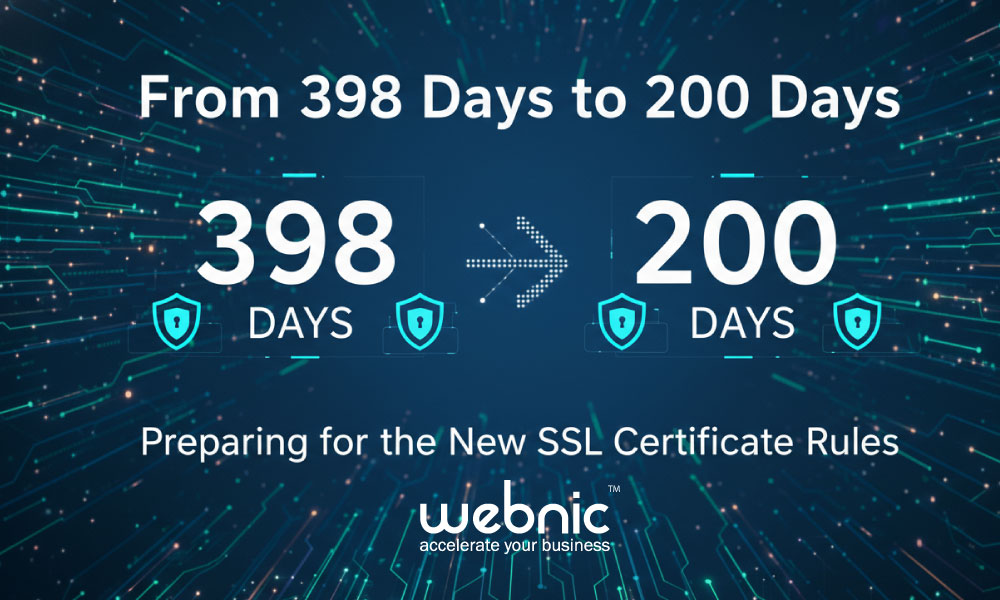
Previously, public SSL/TLS certificates could be issued with a maximum validity period of up to 398 days. This allowed many website owners to renew their certificates roughly once a year. However, starting from 15 March 2026, the maximum validity period is reduced to 200 days. In practice, some certificate authorities may issue SSL certificates for 199 days to stay safe within the new limit.
The change will continue in the following year. From 15 March 2027, the maximum validity period is expected to reduced again to 100 days. This means businesses may need to renew or re-issue their SSL certificates around three to four times a year, depending on the certificate type and provider.
Looking further ahead, the industry is also preparing for even shorter validity periods in the future. This reflects a wider move toward stronger security, faster updates, and better certificate management practices.
However, SSL certificate management is changing. The industry is moving toward shorter validity periods and periodic re-validation requirements, meaning website owners will need to manage SSL certificates more actively than before. This shift is important for anyone who owns, manages, or operates a website.
Why Are SSL Certificate Lifespans Becoming Shorter
The main reason behind shorter SSL certificate validity is security. When certificates are valid for a long period, there is a longer window of risk if a certificate is compromised, incorrectly issued, or no longer suitable. Shorter validity periods reduce this risk by limiting how long a problematic certificate can remain active.
Shorter certificate lifespans also encourage businesses to keep their website security practices up to date. Instead of treating SSL renewal as a once-a-year task, website owners will need to pay closer attention to certificate expiry dates, renewal processes, and validation requirements.
This change also supports the growing use of automation. As validation cycles become more frequent, businesses are encouraged to adopt better systems, tools, and service providers to manage SSL certificate validation more efficiently.
How This Affects Website Owners
For website owners, the biggest impact is the need for more frequent SSL certificate management cycles. Under the previous 398-day validity period, many businesses only needed to handle SSL updates once a year. With the new 200-day validation cycle, administrative checks and certificate re-issuance processes may occur roughly twice a year. Once the 100-day period takes effect, these cycles will become even more frequent.
This increases the importance of proper tracking and automation. If not managed correctly, there is a higher risk of certificate expiration or failed validation. An expired SSL certificate can cause browser security warnings, blocked access, loss of customer confidence, and possible disruption to online transactions.
For e-commerce websites, the impact can be especially serious. Customers who see a security warning may leave the site immediately. For businesses that rely on online forms, payment gateways, customer portals, or APIs, an expired certificate can interrupt important services.
Small websites are also affected. Whether a business runs a corporate website, online store, booking platform, or landing page, SSL must be managed carefully to avoid downtime and trust issues.

How To Stay Prepared
Here are a few steps to face this challenge:
- Review all SSL certificates currently in use– This includes certificates for your main website, subdomains, mail servers, customer portals, internal systems, and APIs. Many businesses use more certificates than they realize, so having a proper inventory is important.
- Monitor expiry dates closely– Renewal reminders should be set well in advance, not just a few days before expiry to give enough time for the completion of domain validation, organization validation, or any additional steps required by the certificate authority.
- Keep updates on SSL industry changes– Certificate rules can continue to evolve, so it is useful to follow announcements from certificate authorities, browser providers, hosting partners, and trusted SSL solution providers.
- Working with a reliable SSL provider– This can help simplify the process and reduce the chance of human error, especially when you are managing multiple websites or domains, which makes manual renewal tracking difficult.
How WebNIC Can Help
WebNIC offer Certificate Lifecycle Management to help businesses manage their SSL/TLS certificates throughout their lifecycle and maintain customer trust. Whether you need SSL for a single website, multiple domains, an e-commerce platform, or a business portal, we are here to support you.
With the upcoming move from 200 days to 100 days, businesses should start preparing now. While this change will require more frequent certificate validation and management, it also strengthens overall security and improves protection for users. By staying informed and prepared, website owners can continue to protect their online presence and build confidence with every visitor.